Enhance Your Outdoor Space: Expert Gardening Guidelines for a Impressive Home Green Space
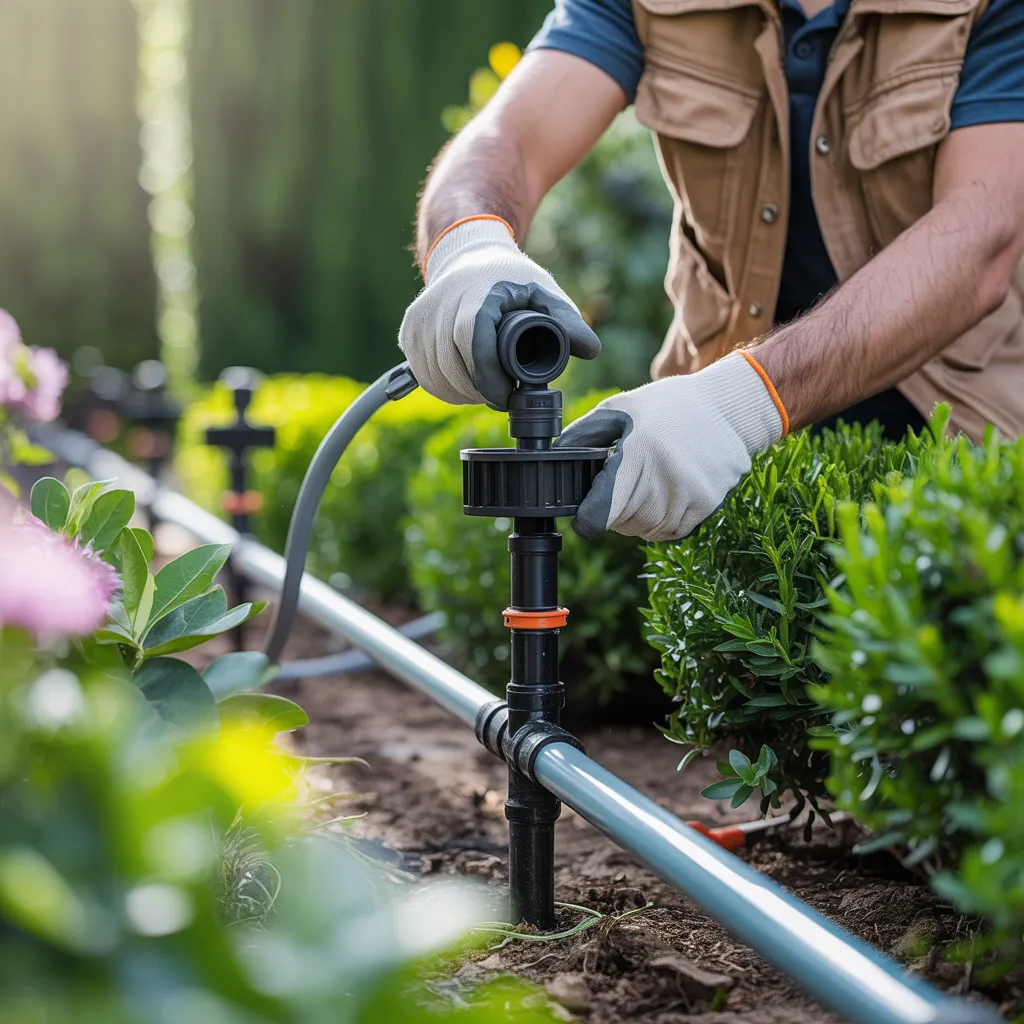
Converting an outdoor area into a gorgeous home garden demands thoughtful preparation and deliberate implementation. By evaluating the unique characteristics of a yard, people can establish clear landscaping goals. Choosing plants suited to the local climate is essential. Additionally, incorporating practical hardscape features improves both aesthetics and usability. Nevertheless, the journey doesn't end there. Learning how to maintain vibrancy and sustainability can elevate any garden to the next level. What strategies will result in lasting success?
Assess Your Space to Define Your Landscaping Goals
After beginning any landscaping undertaking, it is important for homeowners to assess their outdoor space carefully. This preliminary assessment enables them to comprehend the distinctive features of their yard, comprising sun exposure, soil condition, and current plants. Identifying these factors helps in determining what kinds of design elements and features can more information be successfully integrated into the space.
Property owners should take measurements and record any obstacles such as trees, fences, or pathways that may impact the layout. Additionally, comprehending personal preferences and daily requirements—such as areas for entertainment, gardening, or relaxation—can inform the landscaping goals. By clearly defining these objectives, property owners set a solid foundation for a unified and useful outdoor environment. This thoughtful assessment ultimately leads to a more successful and satisfying landscaping project, ensuring that the outdoor space not only enhances the home's aesthetic but also meets the practical needs of its inhabitants.
Pick the Top Greenery Adapted to Your Area Environment
Determining the ideal greenery for a specific climate is essential for creating a thriving outdoor space. Grasping local weather patterns, consisting of temperature ranges, rainfall, and humidity, assists homeowners choose plants that will flourish. Native plants often adjust best, requiring less maintenance and water. For instance, drought-resistant varieties are ideal for arid regions, while moisture-loving species thrive in humid climates.
Gardeners must also take into consideration seasonal changes; selecting plants that bring year-round attractiveness enhances the landscape. Early spring bloomers, summer perennials, and brilliant fall foliage can create a dynamic eye-catching experience. Additionally, contacting local gardening centers or extension services can give valuable guidance into robust plant varieties suited to specific conditions.
Ultimately, a well-planned choice of plants not only enhances beauty but also helps local wildlife and encourages ecological responsibility, making it a smart decision for any garden transformation.
Boost Your Garden With Useful Hardscaping Elements
Functional hardscaping components serve an important role in defining outdoor spaces and improving their usability. By adding seating areas and thoughtfully planned pathways, homeowners can design inviting environments that encourage relaxation and movement. Additionally, borders can help delineate different zones within the garden, providing structure and visual interest.
Determine Your Outdoor Zone
By creating a clearly outlined outdoor space, you can create a garden into an welcoming retreat. A good way to reach this is with useful hardscaping elements that create structure and organization. Pathways made from stone or brick lead visitors while introducing visual interest. Retaining walls build tiered levels, elevating the garden’s overall design and avoiding soil erosion. Fencing or trellises can define boundaries, providing privacy and a sense of enclosure. Including raised garden beds not only outlines planting areas but also renders them more accessible. These elements work harmoniously to build distinct zones that boost both aesthetics and functionality. In the end, a distinct outdoor space cultivates a peaceful environment where homeowners can relax and enjoy nature.
Include Seating Areas
Establishing sitting zones in an outdoor space powerfully improves its accessibility and attractiveness. Through combining practical design features, property dwellers can build comfortable refuges for rest and recovery, socializing, or appreciating the natural landscape. Ideas encompass outdoor seating, patio sets, or reclined chairs, each contributing to the outdoor area's aesthetic and comfort. Locating seating strategically by focal points, like flower beds or water features, prompts users to engage with their surroundings. Furthermore, applying materials like slate or wood can enhance the garden's aesthetic, maintaining a cohesive look. Shade structures, like pergolas or umbrellas, deliver comfort during warmer months, keeping these zones enjoyable year-round. Ultimately, well-crafted seating areas convert an ordinary garden into a cherished sanctuary for your loved ones.
Incorporate Pathways And Perimeters
In outdoor landscaping, pathways and borders serve as key parts, directing visitors through the garden while strengthening its overall structure. They create a sense of organization and flow, helping to define different sections and greenery. Materials like stone, gravel, or bricks can be utilized to create tough paths, while natural borders formed by shrubs or decorative fencing improve visual appeal. Moreover, pathways can support exploration, highlighting centers of interest like flower beds or water features. Borders that are properly designed can also prevent weed intrusion and soil degradation, supporting garden health. Ultimately, combining pathways and borders not only enhances functionality but also increases the attractiveness of the outdoor space, rendering it more appealing and pleasant.
Establish Circulation With Pathways and Seating Areas
A thoughtfully planned outdoor space often features a balanced arrangement created through thoughtfully placed pathways and seating areas. Pathways direct visitors through the garden, establishing a clear sense of direction while enhancing the overall visual appeal. Using materials like stone, gravel, or wood can contribute to the pathway's visual appeal and guarantee durability.
Seating regions furnish rest points, inviting guests to linger and appreciate the vista. Placing seating strategically near focal points, such as a fountain or a flower bed, encourages interaction with the landscape. The type of seating—benches, chairs, or even hammocks—can influence the atmosphere, whether it be casual or refined.
Integrating both pathways and seating fosters an friendly environment, increasing usability and enjoyment. Together, they produce a unbroken flow between different parts of the garden, promoting exploration and relaxation, ultimately transforming any outdoor space into a tranquil retreat.
Populate Your Garden With timely color and texture
To enhance the visual appeal of a garden, careful selection of seasonal plants is crucial. Combining varied surface qualities can add depth and appeal, while strategically placed focal points can capture the eye and establish a cohesive design. These elements together ensure a vibrant and energetic outdoor space throughout the year.
Choose Seasonal Vegetation Wisely
Picking seasonal plants sensibly can transform any garden into a lively mosaic of color and texture. By choosing plants that bloom at multiple points throughout the year, gardeners can promise a continuous display of beauty. Spring bulbs, summer annuals, autumn perennials, and winter evergreens each deliver varied colors and forms to the landscape. It is vital to account for local climate conditions and soil types, as well as the plants' natural behaviors. Native species often thrive better and involve less maintenance, strengthening biodiversity. Additionally, combining plants with different elevations and bloom times can create a dynamic visual effect. Ultimately, intentional choosing cultivates a garden that evolves with the seasons, offering a joyful experience year-round.
Build Textures For Richness
Establishing textural dimension in a garden calls for organizing varied textures that accentuate and amplify changing chromatic presence. By incorporating a vast selection of botanical options with contrasting foliage forms, proportions, and color ranges, one can forge a aesthetically dynamic garden design. For copyrightple, pairing wide-leaved plants with fine grasses can establish striking contrast. Additionally, adding bark, stones, and other natural matter contributes sensory touch features that enrich the holistic garden experience. Blooming flowers should be strategically arranged to provide color highlights throughout the year, ensuring that each layer persists as visually captivating. This intentional composition both captures visual focus across the garden but also fosters an immersive ambiance where every component contributes to the garden's aesthetic beauty and equilibrium.
Include Focal Points With Purpose
Markedly enhancing a garden's aesthetic appeal and seasonal color can be done by strategically incorporating key areas. These focal elements function as anchors that draw the eye and create a unified design. Gardeners may implement features such as sculptures, decorative trees, or vibrant flower beds to establish visual interest. Seasonal hues can be infused by careful selection of plants flowering during various seasons, ensuring the garden remains dynamic year-round. Textures also play role; mixing smooth pathways and rough bark or dense foliage adds rich texture. By thoughtfully placing these elements, gardeners can create an welcoming setting that encourages exploration and appreciation, transforming an garden area into an engaging retreat.
Incorporate Sustainable Practices for a Healthy Garden
Adopting eco-friendly practices is essential for creating a vibrant garden that thrives in alignment with the environment. Gardeners are encouraged to utilize native plants, which demand less water and care while supporting local wildlife. Using organic gardening techniques, such as composting and natural pest control, can greatly reduce chemical usage, fostering a healthier ecosystem.
Water management methods like drip irrigation and rainwater harvesting further enhance sustainability by optimizing resource use. Mulching serves to retains moisture but also inhibits weeds, decreasing the need for herbicides. Additionally, enhancing biodiversity by adding a diverse array of plants encourages resilience against pests and diseases.
Soil condition is critical; practices like rotating crops and planting cover crops sustain nutrient levels without synthetic fertilizers. By embracing these green methods, gardeners can create a thriving, vibrant space that fosters both plants and the environment, ultimately resulting in a more rewarding gardening experience.
Troubleshoot Regular Issues for Year-Round Garden Attractiveness
A properly cared for outdoor space can encounter many obstacles throughout the year, impacting its general beauty and vitality. Typical issues include pest infestations, nutrient deficiencies, and inadequate watering. Identifying pests early is crucial; gardeners should frequently copyrightine foliage for evidence of harm and address infestations using organic pesticides or adding beneficial insects.
Nutrient insufficiencies often manifest as discolored foliage or reduced development. Conducting soil tests can help determine specific needs, enabling for targeted fertilization to reestablish equilibrium. Additionally, maintaining proper irrigation is important; overwatering can cause root decay, while insufficient watering strains plants.
Seasonal variations also necessitate adjustments in care. During winter, mulching preserves roots from frost, while summer may require increased watering and shade for delicate plants. By confronting these common issues without delay and effectively, gardeners can take pleasure in a vibrant and vigorous outdoor space throughout the year.
Common Questions Asked Often
What Sum Should I Plan for a Landscaping Project?
A landscaping project typically requires a budget ranging from $1,000 to $5,000 for fundamental improvements, while extensive designs may exceed $15,000. Elements such as materials, workforce, and project scope greatly affect total expenses.
What Is the Perfect Timing to Start Outdoor Landscaping?
Start your landscape design in early spring or fall, which are the finest times. These intervals present ideal weather conditions for transplanting, letting plants to build root systems before experiencing the challenges of summer heat or winter cold.
Can I Perform Yard Work Myself or Employ a Professional?
You can certainly execute landscaping projects by yourself, making use of online resources and creativity. However, employing a professional delivers expertise, efficiency, and potentially superior results, especially for elaborate designs or larger projects that require specialized skills.
What Apparatus Are Vital for Home Landscaping?
Basic tools for home landscaping include a rake, shovel, spade, pruning shears, garden fork, and a hose or watering can. These essentials facilitate efficiently maintain soil, plants, and overall garden maintenance, ensuring effective landscaping.
What Steps Should I Take to Keep My Garden Thriving Year-Round?
To sustain a garden year-round, one should frequently trim vegetation, use mulch as an insulating layer, track water content, and execute periodic cultivation strategies. Additionally, managing pests and fertilization are essential for vibrant, healthy growth.